Projects
Things we're building.
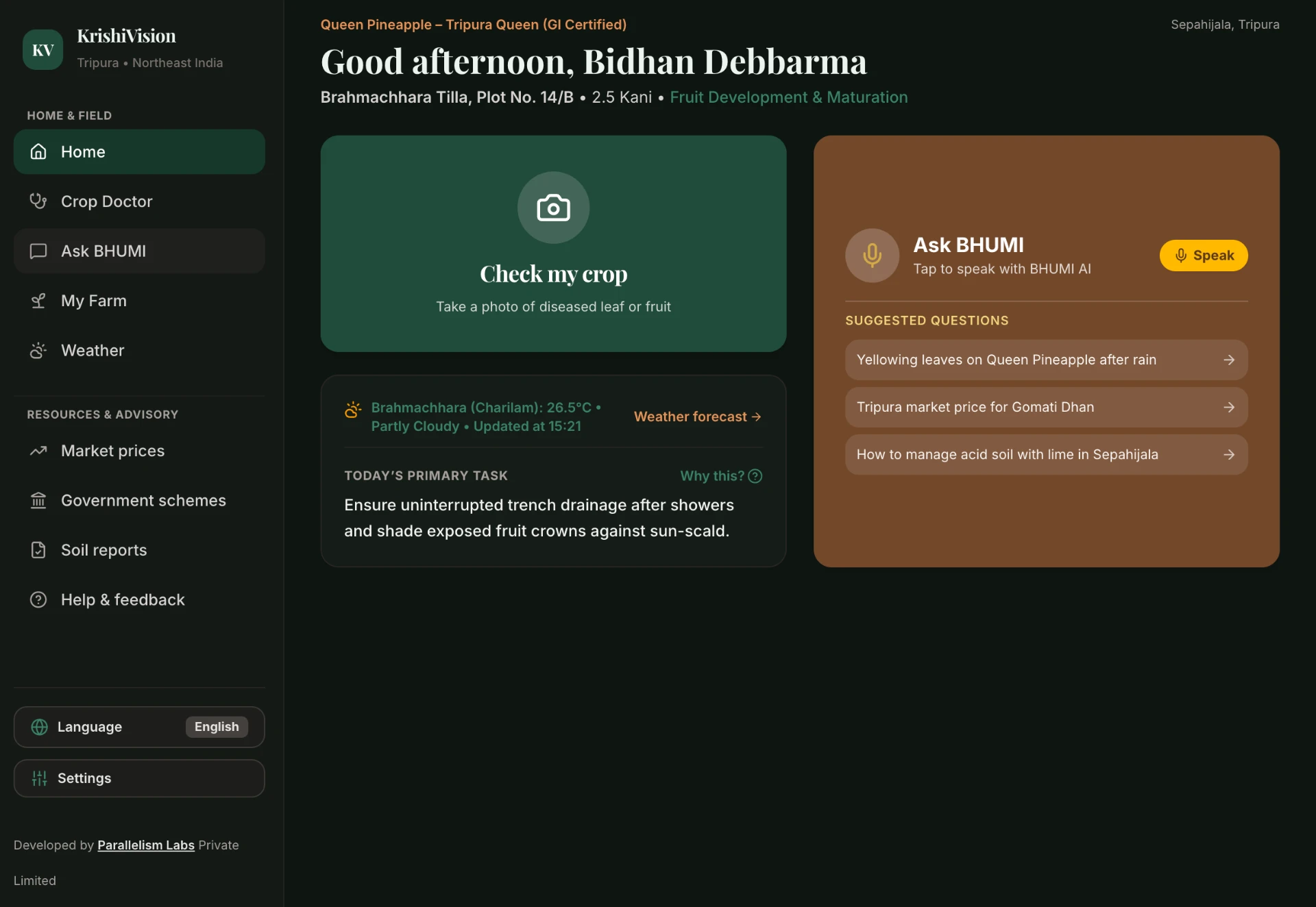
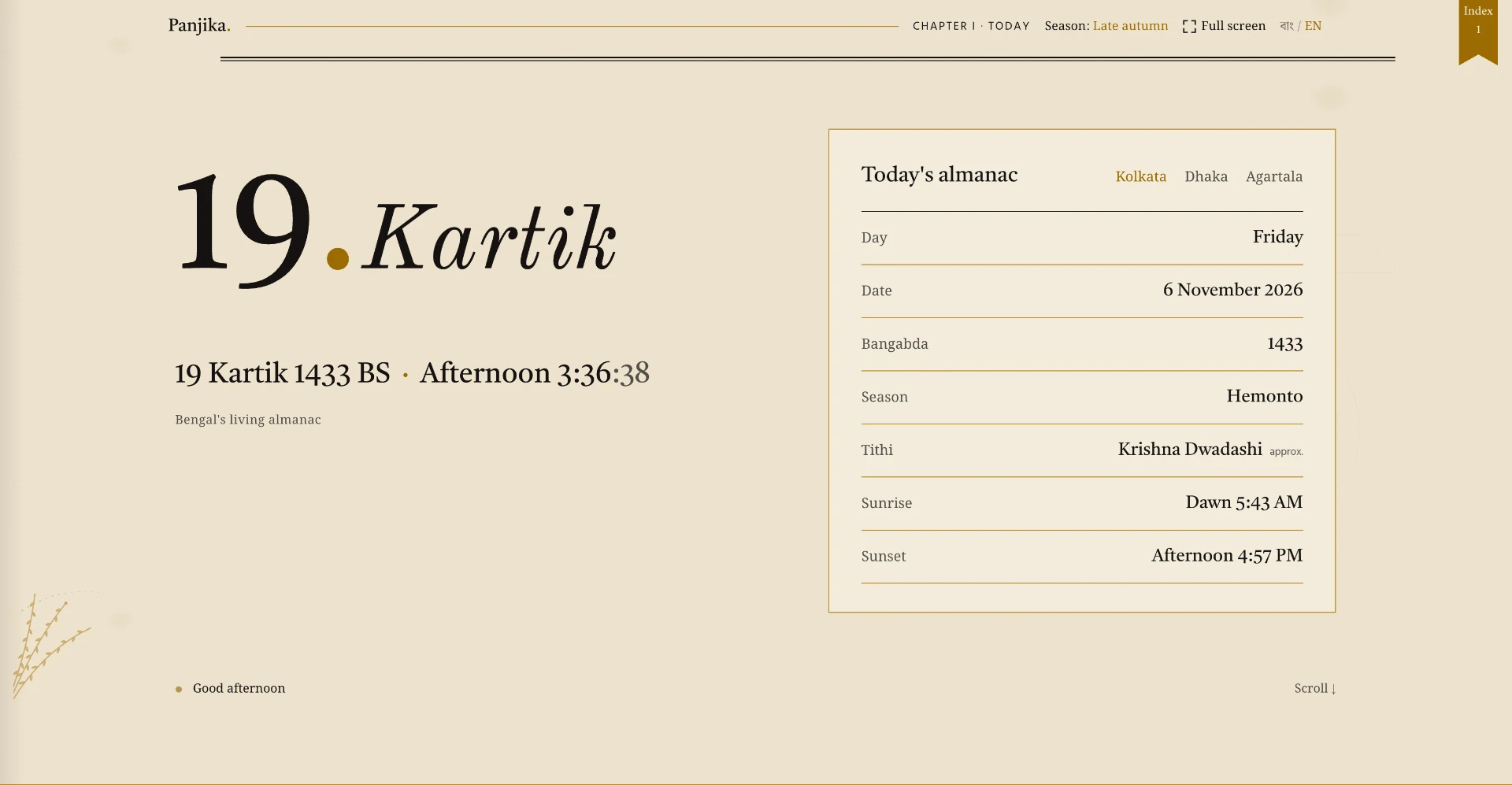
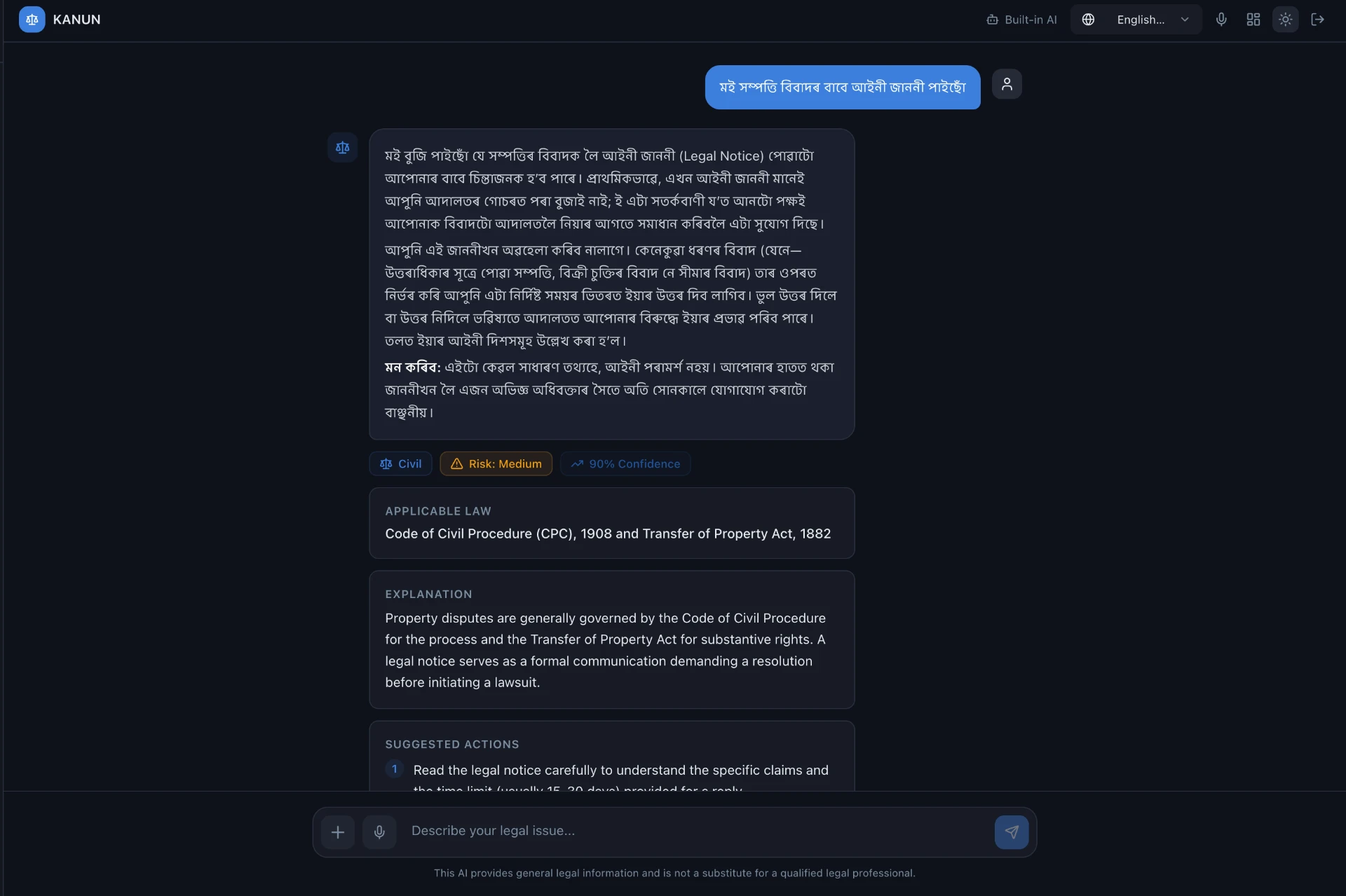
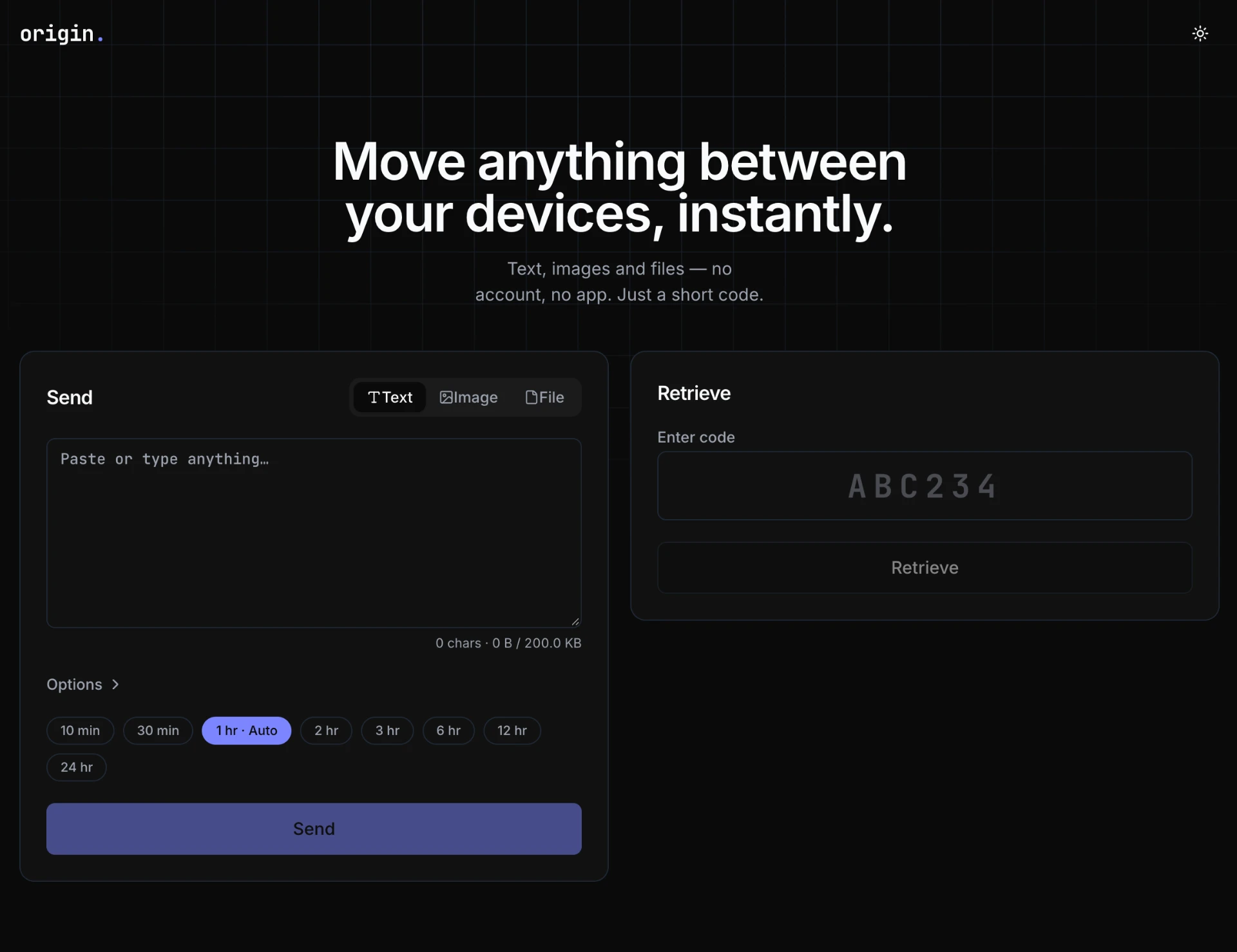
Some are research. Some are live. All of them are honest about which is which.




Research
Questions, answered carefully.
What we've published, what we're working on, and what we want to find out next.
- 2026
CybersecurityUnder reviewST-GraphAD: Spatio-Temporal Graph Neural Network for Network Intrusion Detection on UNSW-NB15
Ayan Bhaumik · co-authors to be added
Neurocomputing (NEUCOM-D-26-19319)
A temporal attention mechanism for graph-based anomaly detection in network traffic, evaluated on UNSW-NB15.
- 2026
Machine LearningUnder reviewA Hybrid Machine Learning Framework for Detecting Fraudulent Online Job Postings
Ayan Bhaumik · co-authors to be added
SN Computer Science (SNCS-D-26-07666)
A comparative study of classical, ensemble and neural approaches to spotting fraudulent job postings online.
- 2026
CybersecurityUnder reviewAn Adaptive and Explainable ML Framework for Zero-Day Cyberattack Detection Under Distribution Shift
Ayan Bhaumik · co-authors to be added
Submitted for publication
Adaptive, explainable detection of previously unseen cyberattacks when real-world data drifts away from training conditions.
- 2026
Computer VisionUnder reviewA Region-Specific Benchmark of Low-Light and Haze Restoration for Downstream Detection on Indian Traffic and Surveillance Scenes
Ayan Bhaumik · co-authors to be added
Submitted for publication
A benchmark of image-restoration methods for low-light and hazy conditions, measured by how well object detection works afterwards on Indian traffic and surveillance imagery.
- 2025
Federated LearningPublishedFBCA-IoMT: A Federated Binary Framework
Ayan Bhaumik · Archita Bhattacharyya & Mrinal Kanti Deb Barma
Springer Nature, Lecture Notes in Networks and Systems, vol. 1651 (ICT4SD 2025)
A federated binary contrastive autoencoder framework for privacy-preserving anomaly detection in Internet of Medical Things (IoMT) environments.
Research agenda
What we want to find out
Privacy-preserving learning
Federated and on-device methods that keep data where it belongs.
Agents that can be trusted
Tool-using AI systems with clear limits, audit trails and human checkpoints.
Language access
Models that serve Indian languages and low-resource settings well.
Security that adapts
Intrusion and zero-day attack detection that stays reliable and explainable as real-world data shifts.
Vision for Indian conditions
Computer vision benchmarks built on local traffic, low light and haze — not just clean global datasets.
Learning science
How students actually pick up hard technical skills, and how to help.
Collaborate with us
Universities and researchers: let's work on something together.